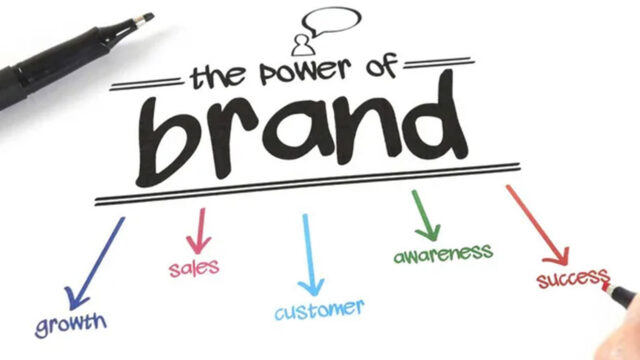

Visual Identity and Its Impact on Sales and Audience Perception
In today’s competitive business landscape, success is no longer driven solely by product quality or pricing. A company’s visual identity plays a critical role in shaping how audiences perceive the brand and whether they decide to trust it. Strong visual identity is not just about aesthetics—it is a strategic business asset that directly influences sales performance and customer loyalty.
What Is Visual Identity?
Visual identity refers to all the visual elements that represent a brand, including the logo, color palette, typography, imagery style, layout systems, packaging, and digital presence. These elements work together to create a consistent and recognizable brand image across all platforms.
According to HubSpot, consistent brand presentation across all channels can increase revenue by up to 23%
🔗 https://blog.hubspot.com/marketing/brand-consistency
First Impressions Matter
Research shows that people form judgments about brands within seconds, and most of these judgments are visual. A professional and cohesive visual identity creates an immediate sense of credibility and reliability.
A study highlighted by Forbes explains that strong branding helps companies become more memorable and trustworthy in crowded markets
🔗 https://www.forbes.com/sites/forbesagencycouncil/2018/09/24/the-importance-of-branding-and-visual-identity/
Building Trust Through Design
Trust is one of the most important drivers of purchasing decisions. Brands with well-designed visual identities appear more established and professional. Inconsistent or poorly executed visuals can raise doubts about quality and legitimacy.
Stanford Web Credibility Research found that 75% of users judge a company’s credibility based on its visual design
🔗 https://credibility.stanford.edu/guidelines/
Direct Impact on Sales
Visual identity has a measurable impact on consumer behavior. Well-designed branding helps customers:
-
Understand the brand message faster
-
Recall the brand more easily
-
Feel confident about purchasing decisions
-
Engage more with marketing content
According to Lucidpress, brands with consistent visuals are 3 to 4 times more likely to experience strong brand visibility, which directly supports sales growth
🔗 https://www.marq.com/blog/brand-consistency
Emotional Connection and Brand Loyalty
Beyond sales, visual identity builds emotional connections. Colors, shapes, and typography influence how people feel about a brand. When customers emotionally relate to a brand, they are more likely to return, recommend it to others, and remain loyal.
Psychology Today explains how colors and visual cues strongly influence consumer emotions and behavior
🔗 https://www.psychologytoday.com/us/basics/color-psychology
Standing Out in Competitive Markets
In saturated industries, visual identity often becomes the key differentiator. When products or services are similar, customers choose the brand they recognize and remember. A distinctive visual identity helps brands occupy a clear position in the customer’s mind.
As stated by Nielsen Norman Group, visual consistency improves usability, recognition, and trust
🔗 https://www.nngroup.com/articles/consistency-heuristic/
Visual Identity and Target Audience
An effective visual identity is built around a deep understanding of the target audience. Design choices should align with the audience’s culture, expectations, and preferences. Brands that communicate visually in a way their audience understands are more successful in converting attention into action.
Conclusion
Visual identity is not a luxury—it is a strategic investment. It influences first impressions, builds trust, strengthens emotional connections, and directly supports sales growth. Companies that invest in a strong, consistent visual identity gain a competitive advantage, improve customer perception, and achieve long-